






What material is titanium tube made of?
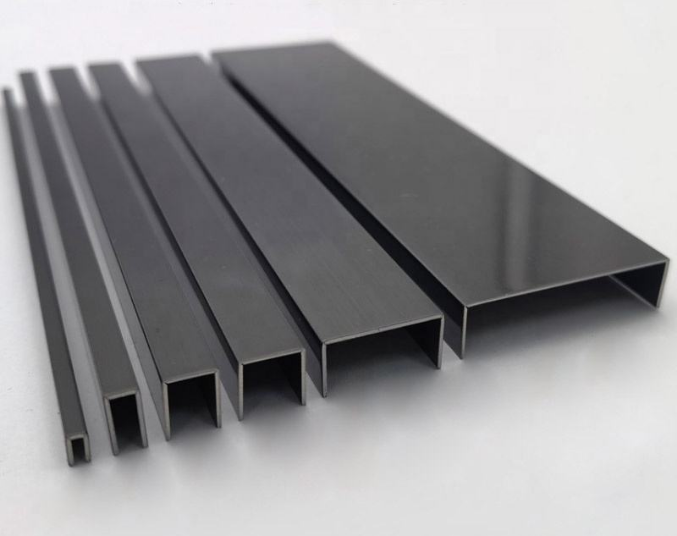
Titanium tubes are industrial pipes made from titanium metal or titanium alloy as raw materials, featuring excellent properties such as light weight, high strength and corrosion resistance. According to different usage requirements, titanium tubes can be made of various materials, mainly classified into the following categories:
Industrial pure titanium : Common grades include TA0, TA1, TA2, TA9, TA10, etc. It has good plasticity, weldability and corrosion resistance, and is widely used in the fields of chemical engineering, power, seawater desalination, etc.
α type titanium alloys : such as TA7 (Ti-5Al-2.5Sn), which have good stability at high temperatures, are often used in aerospace engine components.
α+β type titanium alloys : The most typical one is Ti-6Al-4V (TC4) , which combines high strength and good machinability. It is one of the most widely used titanium alloys at present and is suitable for aircraft structural components, medical implants, etc.
β type titanium alloys : such as TB2 and TB18, can be strengthened by heat treatment and are used for high-strength structural components.
The selection of these materials depends on specific working conditions, such as temperature, pressure, and the corrosiveness of the medium. For instance, in highly corrosive environments such as seawater and chloride solutions, TA10 (containing molybdenum-nickel alloy) demonstrates superior resistance to pitting corrosion. In the aerospace field, high-strength TC4 titanium alloy is more favored.
Key Parameter Comparison Table for Titanium Pipe Selection Under Different Operating Conditions
Selection Guidelines:
- Low Pressure / General Corrosion Resistance: Prefer TA1/TA2, cost-effective with excellent seawater and chloride resistance.
- High-Pressure Systems: Avoid commercially pure titanium; use TA8, TC3, or TC4 for higher yield strength.
- Cryogenic Applications (e.g., liquid oxygen/hydrogen): Must use TA7ELI due to superior low-temperature toughness.
- High-Temperature Aerospace Components: Recommend TC4, TC6, or TC11, balancing strength and thermal stability.
- High-Strength Structural Parts: Choose heat-treatable alloys like TC4 or TB6.
✅ This table aligns with ASTM B363 and ASME B16.9 standards for titanium butt-welding fittings and seamless/welded tubing.
If you have any other questions regarding your choice, please feel free to contact us at any time.
Navigation
 How can the service life of titanium plates be extended under harsh working conditions17/04/2026
 Chaoyang accelerates its ¥1.2B small-particle sponge titanium investment, with 50kt capacity boosting aerospace.16/04/2026
 Deeply engaged in the manufacturing of titanium equipment, we safeguard the development of the industry with advanced equipment and practical cooperation15/04/2026
 A New Chapter in Titanium Alloy Applications: Titanium Combs from Aerospace to Hair Care13/04/2026


Send Us A Message