






How can the service life of titanium plates be extended under harsh working conditions
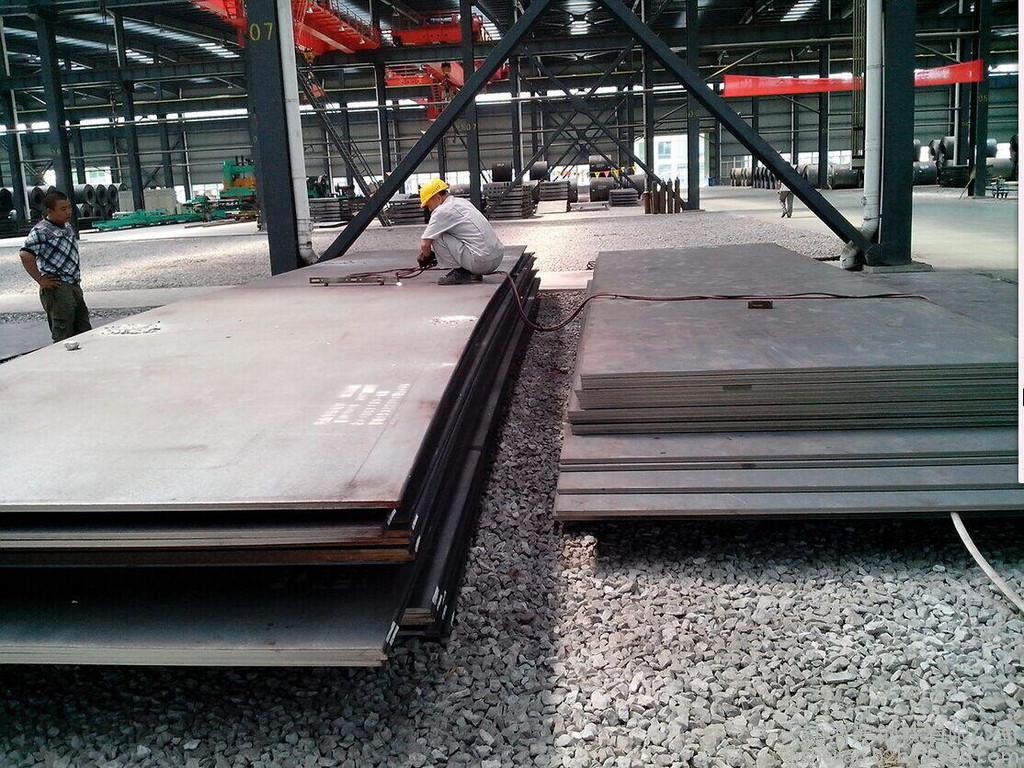
Titanium plates, with their excellent corrosion resistance and high strength, are widely used in numerous fields such as chemical engineering and Marine engineering. However, under specific conditions, titanium plates may still face problems such as corrosion or fatigue failure, which not only affects their performance but also increases the cost of use. To effectively extend the service life of titanium plates, efforts can be made from three key aspects: controlling environmental factors, optimizing mechanical protection, and establishing maintenance systems.
Accurately control environmental factors and build a solid anti-corrosion defense line
Although titanium plates have good corrosion resistance, they do not remain unscathed in all environments. Reducing acids, such as hydrofluoric acid, are highly corrosive to titanium plates and should be avoided from coming into contact with them as much as possible. If it must be used in an environment where it may come into contact with such substances, it is a wise choice to select titanium alloys with stronger corrosion resistance, such as Ti-Pd alloy, which can significantly enhance the corrosion resistance of titanium plates in harsh chemical environments.
Titanium plates are also prone to erosion in a chloride environment. At this point, it is crucial to keep the surface of the titanium plate dry. At the same time, salt deposits should be regularly cleaned to prevent the accumulation of salt and the formation of corrosive media, which would accelerate the corrosion process of the titanium plate. For titanium plates under high-temperature working conditions, nitriding treatment technology can be adopted. Through nitriding treatment, a dense oxide film can be formed on the surface of titanium plates. This oxide film is like a strong "armor", effectively enhancing the corrosion resistance of titanium plates and enabling them to maintain good performance even in high-temperature environments.
Comprehensively optimize mechanical protection to reduce physical damage
During the installation and use of titanium plates, mechanical protection should not be ignored either. When installing, sufficient thermal expansion gap should be reserved. Due to the thermal expansion and contraction of titanium plates at different temperatures, if sufficient gaps are not reserved, stress will be generated inside the titanium plates when the temperature changes. When the stress exceeds its endurance limit, it will lead to stress cracking, affecting the service life of the titanium plates.
Welding is a common step in the processing of titanium plates, but during the welding process, spatter contamination is prone to occur, which not only affects the appearance of the titanium plates but may also cause damage to their performance. Therefore, during welding, inert gases such as argon should be used for protection. They can effectively isolate air, reduce spatter contamination, and ensure welding quality.
For the easily worn parts on titanium plates, carburizing and quenching treatment can be adopted. Carburizing and quenching can increase the hardness of these parts, enhance their wear resistance, and thereby reduce the impact of wear on titanium plates. In addition, installing replaceable protective liners is also an effective method. It can disperse frictional losses. When the protective liner wears to a certain extent, only the liner needs to be replaced instead of the entire titanium plate, reducing the usage cost. In addition, regularly inspecting the deformation of titanium plates, promptly identifying and correcting their shape to restore their flatness, can prevent the performance of titanium plates from deteriorating due to excessive deformation.
Establish a scientific maintenance system to ensure long-term performance
Establishing a scientific and reasonable maintenance system is an important guarantee for extending the service life of titanium plates. In daily maintenance, use a low-pressure water gun to rinse off the adhering substances on the surface of the titanium plate every month, and use a neutral cleaner to remove organic contaminants to keep the surface of the titanium plate clean. Electrochemical polishing treatment should be carried out every six months. Electrochemical polishing can repair the microscopic scratches on the surface of titanium plates, making the surface smoother and flatter, reducing the adhesion of corrosive media on the surface, and improving the corrosion resistance of titanium plates.
When storing titanium plates, apply anti-rust oil, wrap them with moisture-proof paper, and place them away from sources of acid and alkali volatilization. Anti-rust oil can form a protective film on the surface of titanium plates, preventing them from rusting due to contact with moisture and oxygen in the air. Moisture-proof paper can play a role in isolating moisture and prevent titanium plates from getting damp. If local discolored areas are found on the surface of the titanium plate, this may be an early sign of corrosion. Anodic oxidation regeneration treatment should be carried out immediately. Through anodic oxidation, a dense oxide film can be regenerated on the surface of the titanium plate, restoring its corrosion resistance.
By precisely controlling environmental factors, comprehensively optimizing mechanical protection, and scientifically establishing maintenance systems, titanium plates are organically combined with environmental isolation, surface strengthening, and periodic maintenance. Even under harsh working conditions, titanium plates can always maintain excellent performance, effectively reducing replacement frequencies, saving costs for users, and creating greater value.
Navigation
 How can the service life of titanium plates be extended under harsh working conditions17/04/2026
 Chaoyang accelerates its ¥1.2B small-particle sponge titanium investment, with 50kt capacity boosting aerospace.16/04/2026
 Deeply engaged in the manufacturing of titanium equipment, we safeguard the development of the industry with advanced equipment and practical cooperation15/04/2026
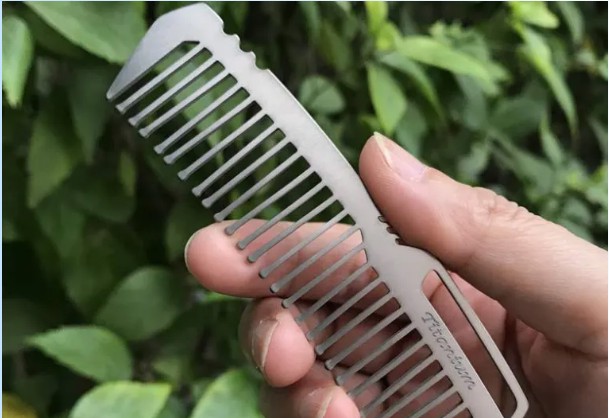
 A New Chapter in Titanium Alloy Applications: Titanium Combs from Aerospace to Hair Care13/04/2026
Send Us A Message