






China’s Titanium Exports: Which Titanium Product Tops the List?
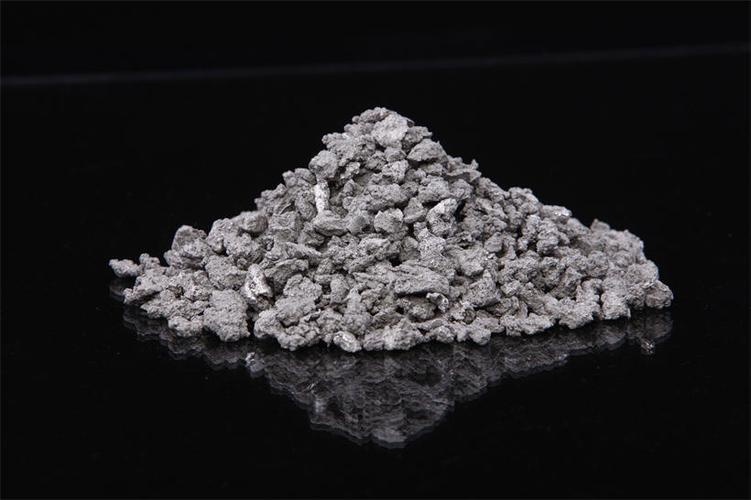
When people think of titanium exports from China, they usually picture gleaming titanium metal—the strong, lightweight material used in fighter jets, artificial hips, and high-end watches. It makes sense. That's the titanium that makes headlines.
But here's the surprise: that's not what China exports the most of.
If you look at the actual customs data for Chinese titanium exports, a very different picture emerges. The top spot doesn't go to titanium metal products. It goes to something far more ordinary—something you probably use every day without thinking about it.
Let's dig into the numbers and see what China actually ships out the most.
The Clear Winner: Titanium Dioxide
By a massive margin, titanium dioxide (TiO₂)—the white pigment—dominates China's titanium exports.
Take September 2025 as a snapshot. China exported approximately 1.9 million kilograms of titanium dioxide in a single month . That's nearly 1,900 metric tons of pigment leaving Chinese ports, destined for paints, plastics, and sunscreens around the world.
For the full year 2025, titanium dioxide exports totaled 181.69 million kilograms (roughly 181,690 metric tons) with an export value of $3.58 billion .
Now compare that to titanium metal products—things like titanium bars, titanium plates, titanium tubes, and fabricated titanium parts. In November 2025, total exports of titanium metal products came to just 6,727 metric tons .
Even more telling: the total export value for wrought titanium and articles in December 2025 was approximately $18.2 million USD (132.2 million RMB), while titanium dioxide alone brought in roughly $300 million monthly .
The gap is enormous. In terms of both volume and value, titanium dioxide is the undisputed king of China's titanium export market.
A Side-by-Side Comparison
The titanium dioxide market is roughly 20–25 times larger than the titanium metal export market by volume, and about 15 times larger by value.
Why Titanium Dioxide Dominates
So why does titanium dioxide outsell titanium metal so dramatically? A few reasons.
1. It's Used in Everything
Titanium dioxide is the world's most widely used white pigment. It shows up in:
Paints and coatings (the largest market, accounting for roughly 50–60% of TiO₂ consumption)
Plastics (making white plastic white, and adding opacity to colored plastics)
Paper (brightening premium paper products)
Sunscreen and cosmetics (providing UV protection)
Toothpaste and food (yes, that white paste owes its color to TiO₂)
Every country with a construction industry, a packaging industry, or a consumer goods sector needs titanium dioxide. It's a foundational industrial material.
2. China Is a Major Producer
China is the world's largest producer of titanium dioxide. The country has abundant reserves of ilmenite (the primary titanium ore) and a well-established chemical industry to process it into pigment. Chinese titanium dioxide is cost-competitive, and Chinese producers have spent years building distribution networks across Asia, Africa, and Latin America.
In 2025, China's titanium dioxide exports reached markets including:
India: consistently the top destination
Vietnam and South Korea: major buyers in Southeast Asia
Brazil: a key market in Latin America
African nations: growing demand for paints and coatings
3. Relatively Simple Production
While titanium dioxide production isn't trivial—it requires chemical processing of ore—it's far less complex than producing titanium metal. There's no need for the energy-intensive Kroll process that turns ore into titanium sponge, then into ingots, then into mill products. This lower production barrier means China can produce titanium dioxide at scale and at competitive prices.
Titanium Metal Exports: Smaller but Strategic
While titanium metal exports are smaller in volume, they're strategically important and typically command much higher prices per kilogram.
In 2025, China's titanium metal exports faced some headwinds:
Export controls tightened in the second half of the year, affecting shipment volumes
Overseas competition from producers in Kazakhstan and Japan put pressure on market share
Civilian demand softened, while aerospace demand remained a bright spot
Despite these challenges, titanium metal exports still play a crucial role in China's titanium industry. Major export markets included Japan, the Netherlands, South Korea, and the United States. The average price for titanium metal products in late 2025 was roughly $20–30 per kilogram, significantly higher than titanium dioxide's average export price of around $1.97 per kilogram .
What About Titanium Ore?
One more piece of the puzzle: titanium ore (primarily ilmenite and rutile) follows a different pattern. China is actually a net importer of titanium ore.
In 2025, China imported significant quantities of titanium concentrate—over 520,000 metric tons in November alone —from countries like Mozambique, Australia, and Norway. Domestic titanium ore production exists, but it doesn't meet the full demand of China's titanium dioxide and titanium metal industries.
So in the titanium trade balance:
Titanium dioxide: major export
Titanium metal: moderate export
Titanium ore: net import
How to Find This in Customs Data
If you're tracking titanium exports yourself, here are the key HS codes to watch:
The titanium dioxide code (2823.00) consistently shows the highest export volumes month after month.
The Big Picture
So what's the answer to the question: which titanium product does China export the most?
Titanium dioxide—the white pigment—wins by a landslide.
It's not the titanium that makes headlines. It's not the metal that goes into fighter jets or artificial hips. But it's the titanium that makes your walls white, your sunscreen effective, and your plastic packaging opaque. It's the workhorse of the titanium industry, and China is the world's factory for it.
Titanium metal exports, while smaller, remain strategically vital. They represent higher-value products destined for aerospace, medical, and industrial applications. But in pure volume terms, they don't come close to the sheer tonnage of titanium dioxide leaving Chinese ports every month.
Next time someone asks you what China exports most in the titanium category, you'll know the answer: it's not the exotic metal. It's the humble white powder that brightens the world.
Navigation
 How can the service life of titanium plates be extended under harsh working conditions17/04/2026
 Chaoyang accelerates its ¥1.2B small-particle sponge titanium investment, with 50kt capacity boosting aerospace.16/04/2026
 Deeply engaged in the manufacturing of titanium equipment, we safeguard the development of the industry with advanced equipment and practical cooperation15/04/2026
 A New Chapter in Titanium Alloy Applications: Titanium Combs from Aerospace to Hair Care13/04/2026

Send Us A Message