






Titanium Plates vs. Steel Plates: Choosing Your Fighter in the Metals Arena
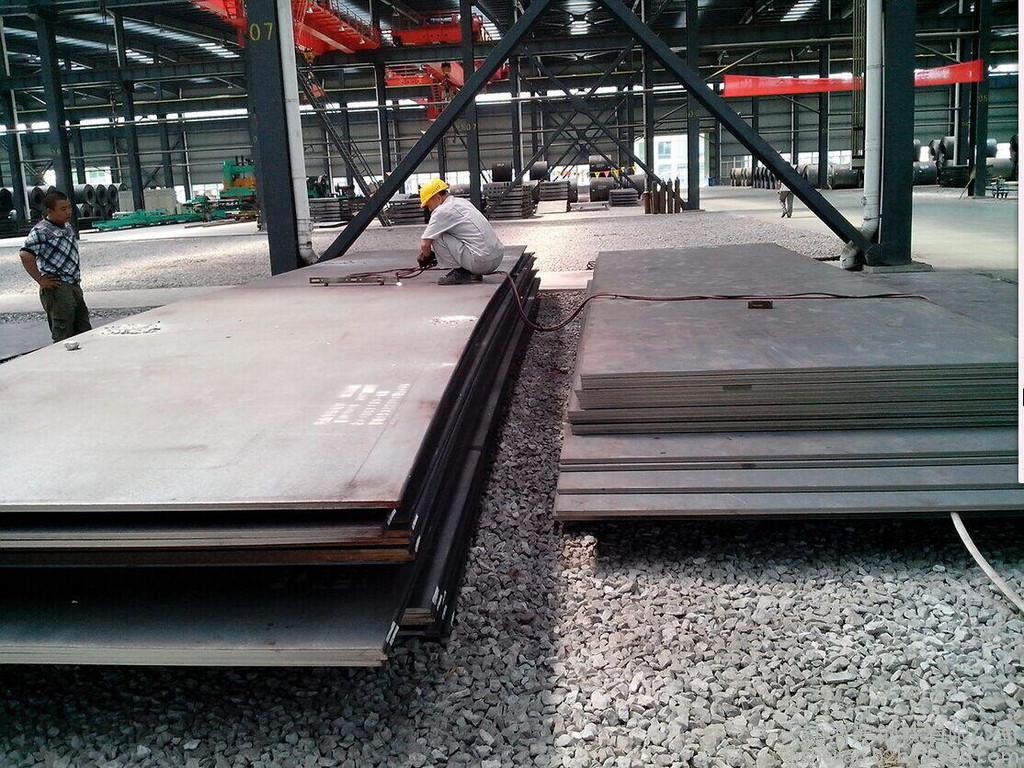
Walk into any industrial supply yard, and you'll see them stacked side by side: the gleaming, almost futuristic titanium plate and the sturdy, dependable steel plate. To the untrained eye, they might seem like interchangeable slabs of metal. But to an engineer, a fabricator, or a project manager, choosing between them feels less like picking a material and more like choosing a corner in a high-stakes boxing match.
One is the nimble, corrosion-proof featherweight. The other is the rugged, budget-friendly heavyweight. Which one wins your project? That depends entirely on what kind of fight you're walking into.
Let's strip away the technical jargon and look at what these two contenders actually bring to the table in the titanium vs steel debate.
The Weight of the Matter
If you’ve ever had to lift both, you already know the first gut-level difference. A titanium plate feels deceptively light, almost like a high-tech piece of plastic, but with the cold, solid feel of metal.
Here’s the reality: swap out a steel plate for a titanium plate of the same size, and you’ve just shed nearly half the weight. For industries where every pound saved translates directly into fuel savings or payload capacity—like aerospace or high-speed transport—that weight reduction is a game-changer. Steel, by contrast, gives you that reassuring heft. It feels grounded and immovable, which is exactly what you want when building a bridge foundation or a blast shield.
The Strength Illusion
Here’s where it gets tricky. If you’re looking for the brute force to resist a direct impact, a high-grade steel plate often hits harder. It’s incredibly stiff. You can bolt it down, pile weight on it, and it won’t budge. This high tensile strength in absolute terms is where steel shines.
Titanium plays a different game. It might not be as rigid as steel, meaning it will flex a tiny bit more under the same load. But when you factor in how light it is, titanium's strength-to-weight ratio blows steel out of the water. It’s like comparing a lightweight gymnast to a powerlifter. The gymnast (Titanium) can support their body weight in ways the powerlifter (Steel) simply can’t, even if the powerlifter can deadlift a car.
That slight flex in titanium isn't a weakness, either. In applications like aircraft wings or bike frames, that natural ability to dampen vibration makes for a smoother, less fatigued structure.
The Nemesis: Rust vs. The Shield
If you took a standard carbon steel plate and a titanium plate and left them both in the ocean for a decade, you'd come back to a grim scene. The steel would likely be a brittle, rusted husk. The titanium would emerge, cleaned by the waves, looking almost brand new. This is the ultimate test of corrosion resistance.
Steel fights a constant war against corrosion. Even stainless steel, with its chromium armor, can eventually succumb to pitting in saltwater. Maintaining steel means a lifetime of painting, galvanizing, or sacrificing anodes.
Titanium, on the other hand, cheats. The moment it’s exposed to air, it forms an oxide layer that is essentially a force field. It doesn't react with salt, chlorine, or most acids. This makes it the undisputed king of chemical plants, desalination facilities, and marine hardware. If your project lives in a harsh environment, titanium lets you "fit and forget." Steel demands you "fit and maintain."
The Heat is On
Both metals can handle the heat, but they behave differently while doing so.
Steel is a great heat conductor. If you weld it, the heat spreads out nicely, which makes it forgiving to work with. Titanium is the opposite; it holds heat right where you put it. While this is great for certain high-temperature applications like jet engine casings (it keeps its strength when glowing hot), it’s a nightmare for machinists. That localized heat during drilling or cutting eats away at tools like candy. This makes machinability a key differentiator.
The Real Deal: Manufacturing and Money
This is where the dream of titanium often meets the reality of the budget.
Steel is the ultimate team player. You can cut it, weld it, beat on it, and it usually forgives you. You don't need a cleanroom to weld steel; you can do it in a dusty workshop with a basic setup. This ease of use keeps fabrication costs low and contributes to the lower overall cost of steel.
Titanium is a diva. To cut it, you have to slow your machines down to a crawl. To weld it, you need pure argon gas and a spotless environment. If a speck of oxygen or dirt gets into the weld, the metal becomes brittle and cracks. This difficulty is a major reason why titanium parts carry such a high price tag.
And then there's the raw material cost. Buying a titanium plate can set you back 20 to 40 times the cost of a steel plate. That initial sticker shock is enough to send most project managers running back to steel. However, for projects requiring longevity, the lifecycle cost of titanium can actually be lower.
The Final Verdict
So, which metal gets your money?
You go with Steel when: you need raw power on a budget. You're building something massive, stationary, or structural. You have a workshop full of standard tools and a tight deadline. Steel is the workhorse of industry for a reason.
You go with Titanium when: the environment is trying to eat your project alive. When every kilogram you save compounds into future savings. When you need a part to last for decades without maintenance. Titanium isn't a purchase; it's an investment in longevity and performance.
In the end, the choice isn't about which metal is "better." It's about which metal’s unique personality aligns with the demands of your job. Whether you need the high strength of steel or the lightweight durability of titanium, choose your fighter wisely.
Navigation
 How can the service life of titanium plates be extended under harsh working conditions17/04/2026
 Chaoyang accelerates its ¥1.2B small-particle sponge titanium investment, with 50kt capacity boosting aerospace.16/04/2026
 Deeply engaged in the manufacturing of titanium equipment, we safeguard the development of the industry with advanced equipment and practical cooperation15/04/2026
 A New Chapter in Titanium Alloy Applications: Titanium Combs from Aerospace to Hair Care13/04/2026


Send Us A Message