






Titanium Plate: The Complete Guide to Properties, Processing, and Pitfalls
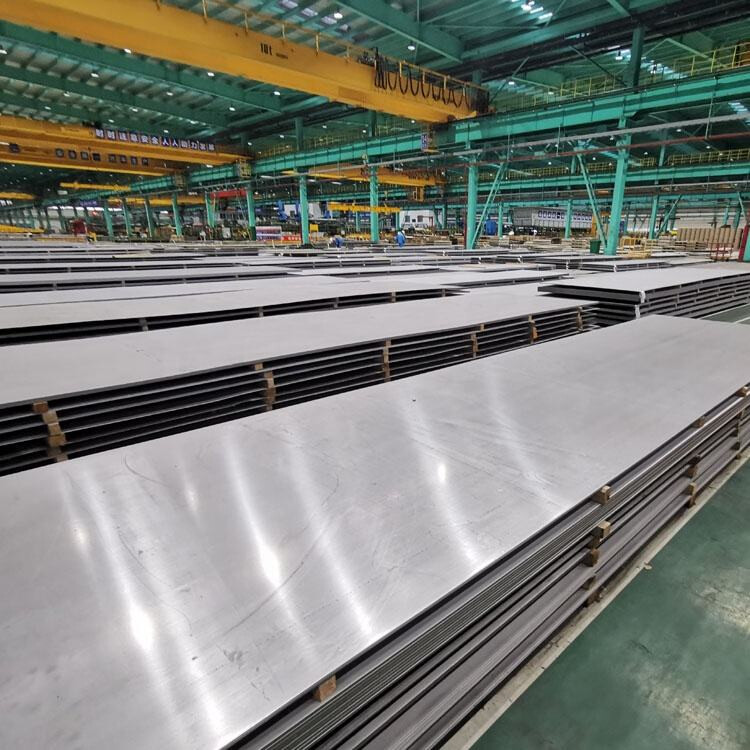
If you're specifying titanium plate for a project—whether it's a chemical reactor, a medical implant, or an aerospace component—you've probably heard the highlights: it's strong, light, and nearly immune to corrosion. But what about the less glamorous questions? Does it rust? Is it magnetic? Can the human body reject it? And why is everyone so worried about machining it?
Let's walk through the real-world answers, from material basics to fabrication headaches to long-term reliability.
Part One: Material & Performance Questions
Does Titanium Plate Rust?
No. But the reason is more interesting than a simple “no.”
When titanium is exposed to air or moisture, it instantly forms a titanium dioxide (TiO₂) film that is incredibly thin, stable, and self-healing. This oxide layer is the secret behind titanium's legendary corrosion resistance. Unlike iron oxide (rust) that flakes away and exposes fresh metal, the TiO₂ film stays put and blocks further attack.
This means titanium plate can survive:
Seawater immersion for decades
Humid coastal environments without pitting
Chemical exposure that would dissolve stainless steel
So no, titanium doesn't rust. It forms a protective shield that other metals can only dream of.
Is Titanium Plate Magnetic?
Here's a property that surprises many engineers: commercially pure titanium is non‑magnetic.
Its magnetic susceptibility is near zero. That means you can place titanium plate right next to sensitive magnetic fields without interference. This is why titanium is the go‑to material for:
MRI machine components (any ferromagnetic material would be a disaster)
Medical instruments used near pacemakers or other electronics
High‑precision laboratory equipment
Naval applications where magnetic signatures must be minimized
Some titanium alloys (especially those containing iron or nickel as impurities) may exhibit very weak magnetism, but in practice, titanium is considered non‑magnetic for virtually all engineering purposes.
Does the Human Body Reject Titanium Implants?
This is one of titanium's most remarkable traits: biocompatibility.
The vast majority of patients tolerate titanium implants without any immune reaction. In fact, bone tissue will grow directly onto a titanium surface—a process called osseointegration. That's why titanium is the standard for hip replacements, dental implants, bone plates, and skull reconstruction.
However, “rarely” does not mean “never.” A very small number of individuals may develop delayed‑type hypersensitivity to titanium. Symptoms can include:
Local redness and swelling around the implant
Fluid discharge or skin breakdown
Chronic pain or inflammation at the site
If you have a known metal allergy (e.g., to nickel, cobalt, or chromium), it's worth discussing allergy testing before receiving a titanium implant. But for the overwhelming majority, titanium is as friendly as a metal can be.
Part Two: Fabrication & Manufacturing Challenges
Why Is Titanium Plate So Difficult to Work With?
If you've ever machined or welded titanium, you know it doesn't behave like steel. Here's why:
These aren't just academic problems. In a machine shop, they translate to:
Slower cutting speeds (often 30–50% slower than stainless steel)
Frequent tool changes
Specialized welding equipment (argon shielding front and back)
Higher rejection rates if operators aren't experienced
This is why titanium fabrication costs are significantly higher than steel. You're not paying for the metal alone—you're paying for the skill and patience required to shape it.
Common Defects in Titanium Plate Processing
Even with good technique, titanium plate can suffer from several surface and internal defects:
Surface defects:
Scratches, roll marks, and dents from handling
Cracks, seams, or laminations from rolling
Pitting, blisters, or embedded foreign material (inclusions)
Acid pickling problems:
Over‑etching (creating a rough, spongy surface)
Smut or residue left on the surface
Incomplete oxide removal (patchy appearance)
Streaks or irregular coloration
Welding defects:
Oxidation of the weld bead (blue, purple, or gray discoloration)
Cracking due to hydrogen absorption
Porosity from contamination
The takeaway: titanium plate requires meticulous process control. If you're sourcing from a supplier, ask about their quality inspection methods—especially for surface finish and weldability.
Cutting, Bending, and Welding: Practical Tips
Cutting:
Thickness < 6mm: Laser cutting works well with proper gas assist (nitrogen or argon).
Thickness > 6mm: Plasma cutting is more common, but it creates a larger heat‑affected zone (HAZ). The HAZ may need post‑cut grinding or annealing.
Shearing: Possible for thin gauges, but the high strength and springback can cause edge cracking.
Bending:
Titanium requires about 1.5–2 times the force of steel for the same bend.
Minimum bend radius should be larger than for steel—often 2–3 times the plate thickness.
Annealing before bending reduces cracking risk. Many shops bend titanium in the annealed condition, then heat‑treat afterward if needed.
Welding:
Inert gas shielding is mandatory. TIG welding with argon on both the front and back of the joint is standard.
Cleanliness is everything. Any oil, grease, or oxide residue will cause embrittlement.
Weld color tells the story. Bright silver or straw = good. Blue or purple = some contamination. Gray or white = unacceptable.
Part Three: Procurement & Inspection
How to Inspect Titanium Plate on Delivery
You've paid a premium for titanium plate. Don't skip the receiving inspection. Here's a checklist used by experienced buyers:
For TA2 (commercially pure titanium, Grade 2):
Tensile strength ≥ 345 MPa
Yield strength ≥ 275 MPa
Elongation ≥ 20%
For TC4 (Ti‑6Al‑4V, Grade 5):
Tensile strength ≥ 895 MPa
Yield strength ≥ 825 MPa
Aluminum content: 5.5–6.75%
Vanadium content: 3.5–4.5%
Red flags: No MTR, illegible markings, or surface defects that look like cracks or deep pits. If in doubt, reject the shipment or send a sample to an independent lab for verification.
Part Four: Long‑Term Use & Reliability
Medical Implant Considerations (e.g., Skull Plates)
Titanium is the gold standard for cranial fixation, but patients and surgeons should be aware of potential long‑term issues:
Infection – More likely in patients with diabetes, immunosuppression, or poor wound healing. Post‑operative hygiene is critical.
Foreign body sensation – Some patients feel the plate under the skin, especially in thin‑skinned areas. Temperature sensitivity (the plate feels cold in winter) is also reported.
CT/MRI artifacts – Titanium causes less artifact than stainless steel, but it still produces a radial streak artifact that can obscure nearby anatomy. This is generally manageable but worth knowing.
Micro‑cracking and corrosion – Extremely rare in modern high‑grade titanium, but possible if the implant was damaged during installation or if the patient has a unusual chemical environment (e.g., chronic infection).
Children – Because a child's skull grows, a titanium plate that fits at age 5 may become too small by age 10. Second surgery may be needed.
Despite these caveats, titanium remains far superior to alternatives like stainless steel or polymers for most cranial and orthopedic applications.
Industrial Application Precautions
Titanium is not invincible. Two situations require special attention:
Contact with hydrofluoric acid (HF) – Even dilute HF attacks the protective oxide layer and rapidly dissolves titanium. Never use HF‑based cleaners or etchants on titanium equipment.
High temperatures (>300°C / 570°F) – Above this range, titanium begins to absorb oxygen from air, forming a brittle layer called “alpha case.” This reduces fatigue life. For sustained high‑temperature service, consider protective coatings or switch to a refractory alloy.
Galvanic corrosion – When titanium touches a less noble metal (e.g., aluminum, carbon steel) in the presence of an electrolyte (seawater, humidity), the other metal corrodes rapidly. Always isolate titanium from dissimilar metals using insulating gaskets or coatings.
Recommendations for Buyers and Users
Based on the points above, here's practical advice:
For Fabricators
Don't cut corners. Use sharp, positive‑rake carbide tools, flood coolant, and slow speeds.
Train your welders on titanium specifically. The skills for stainless steel don't fully transfer.
If a part fails during bending or welding, check if the material was supplied in the annealed condition. Unannealed titanium is much harder to work.
For Purchasers
Choose established suppliers with a track record. Regions like Shaanxi, Sichuan, Jiangsu, and Zhejiang in China have many reputable titanium mills.
Ask for the MTR before shipping. Verify that the grade (TA2, TC4, etc.) matches your need.
If the price is too good to be true, it probably is. Cheap titanium plate often means poor surface quality, incorrect chemistry, or missing documentation.
For Medical Patients
Discuss any known metal allergies with your surgeon before implantation.
Follow post‑operative care instructions carefully to avoid infection.
If you experience persistent pain, swelling, or skin changes around the implant, see your doctor. It's probably not a rejection, but it's worth checking.
The Bottom Line
Titanium plate offers an unbeatable combination of corrosion resistance, high strength‑to‑weight ratio, and biocompatibility. But it comes with strings attached: it’s difficult to machine, demands perfect welding conditions, and costs significantly more than steel.
By understanding its properties—both the advantages and the limitations—you can make smart decisions about when to use titanium, how to inspect it, and how to avoid the common pitfalls that turn a promising project into an expensive lesson.
Navigation
 How can the service life of titanium plates be extended under harsh working conditions17/04/2026
 Chaoyang accelerates its ¥1.2B small-particle sponge titanium investment, with 50kt capacity boosting aerospace.16/04/2026
 Deeply engaged in the manufacturing of titanium equipment, we safeguard the development of the industry with advanced equipment and practical cooperation15/04/2026
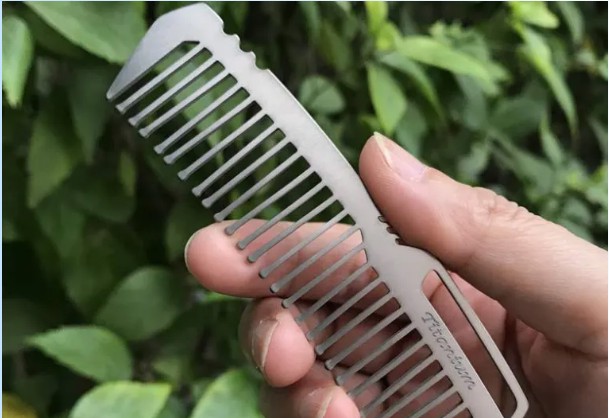
 A New Chapter in Titanium Alloy Applications: Titanium Combs from Aerospace to Hair Care13/04/2026

Send Us A Message