






Thin is In: Breakthroughs in Titanium Foil Technology Drive Innovation Across Industries
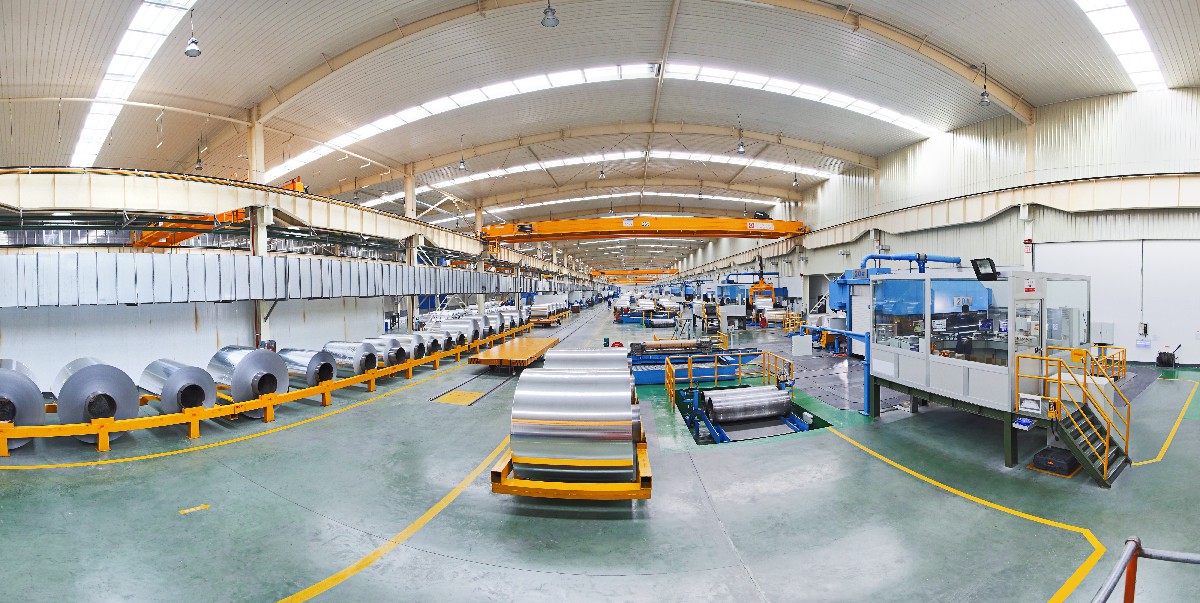
Manufacturing Breakthroughs: Pushing the Limits of Thinness
Titanium foil is defined as thickness ≤0.1mm, produced through including hot rolling, warm rolling to remove oxide layers, and cold rolling to achieve final thickness . Recent advancements in 20-roll cold rolling mills and have enabled production of ultra-thin foils with exceptional dimensional accuracy and surface quality.
The core challenge in titanium foil manufacturing lies in achieving ultra-thin dimensions while maintaining mechanical integrity. Advanced process control systems now enable thickness tolerances of ±0.003mm for foils below 0.05mm, addressing the historical trade-off between thinness and precision. has revolutionized cutting capabilities, achieving verticality and edge quality previously impossible, even for foils below 50 microns .
Emerging Applications Drive Market Expansion
Hydrogen Energy and Fuel Cells
One of the most significant growth drivers is the hydrogen economy. A breakthrough patent from Pangang Group and Chengdu Advanced Metal Materials Industry Research Institute describes a novel titanium alloy foil designed specifically for fuel cell bipolar plates . The alloy incorporates Ni、Nb、Cu to enhance corrosion resistance and formability, addressing the critical requirements of proton exchange membrane fuel cells.
The patented process involves triple vacuum arc remelting followed by hot rolling, cold rolling, and precision annealing to produce foils 0.08–0.15mm thick with widths of 450–550mm. This titanium foil for bipolar plates offers significant weight reduction compared to stainless steel alternatives while providing superior corrosion resistance in the aggressive fuel cell environment, potentially extending battery life substantially .
Lithium-Ion Batteries and Energy Storage
In energy storage, titanium foil is emerging as a promising current collector material for lithium-ion batteries. Its corrosion resistance and ability to reduce internal resistance enable higher energy density and improved cycle life . As electric vehicle adoption accelerates, demand for high-performance titanium foil for batteries is expected to grow significantly.
Consumer Electronics: The Foldable Phone Revolution
The consumer electronics sector represents a high-profile growth frontier. Reports indicate Apple's first foldable iPhone, expected in 2026, will feature an marking the company's fourth-generation titanium evolution since the iPhone 15 Pro . While this application focuses on thicker titanium components, it demonstrates the broader trend of titanium adoption in premium electronics.
For ultra-thin applications, titanium foil is increasingly specified for semiconductor manufacturing, flexible circuit substrates, and electromagnetic shielding . The Asia-Pacific region, led by China, Japan, and South Korea, dominates production capacity for these.
Medical and Healthcare Innovation
The medical sector continues to drive demand for high-purity titanium medical foil. Applications include surgical implants, dental devices, and cardiac pacemaker housings, where titanium's biocompatibility and corrosion resistance are essential . Emerging applications include titanium alloy, leveraging titanium's lightweight properties and biological inertness to disrupt traditional orthodontic markets.
Aerospace and Defense Leadership
The aerospace industry remains the largest consumer of titanium foil, accounting for over 40% of global demand . Titanium's high strength-to-weight ratio makes it indispensable for aircraft components including honeycomb structures, thermal insulation, and composite reinforcement. Next-generation aircraft incorporate increasing quantities of in structural applications where every gram of weight reduction translates to fuel savings.
Market Dynamics and Regional Landscape
Market Segmentation
The titanium foil market is segmented by purity level, with grades including 99%, above 99.5%, and above 99.9% titanium. Higher purity grades command premium pricing for demanding applications in semiconductor manufacturing and medical devices.
Key Industry Players
Major producers include global leaders such as VSMPO-AVISMA, KDK Corporation, American Elements, Ulbrich, TMS Titanium, and China's emerging manufacturers. The competitive landscape features a mix of established titanium producers and specialized foil manufacturers, with increasing consolidation as larger players acquire niche capabilities.
Regional Dynamics
Asia-Pacific dominates global production capacity, driven by China's comprehensive industrial ecosystem integrating materials, processing, and packaging. Japan and South Korea focus on high-end glass substrate materials and ultra-precision processing equipment. North America and Europe maintain strong positions in aerospace and medical applications, with manufacturers validating titanium foil technologies for automotive radar and high-temperature sensor packaging.
Challenges and Future Outlook
Persistent Industry Challenges
Despite promising growth, the titanium foil industry faces significant hurdles. High production costs remain a primary barrier, with titanium foil typically priced substantially higher than alternatives like stainless steel or aluminum. Raw material price volatility, influenced by geopolitical factors, complicates long-term planning.
Technical challenges persist in achieving consistent properties across large production volumes. The requires specialized expertise and capital-intensive equipment, limiting the number of qualified manufacturers. Stringent certification requirements for aerospace and medical applications create high barriers to entry.
Opportunities for Growth
Emerging applications in renewable energy, particularly hydrogen fuel cells and electrolyzers, present substantial growth potential. The automotive industry's shift toward electric vehicles creates opportunities for titanium foil in battery components. Advances in additive manufacturing and surface functionalization technologies promise to further expand application possibilities.
Future Directions
Looking forward, the titanium foil market will likely see continued emphasis on ultra-thin gauges, improved width capabilities, and enhanced surface functionality. Industry consolidation is expected as companies seek economies of scale and broader product portfolios. Sustainability initiatives, including increased use of recycled titanium and energy-efficient production methods, will shape competitive positioning.
Conclusion
The titanium foil industry stands at an inflection point, transitioning from specialized applications to broad-based adoption across multiple high-growth sectors. Breakthroughs in manufacturing technology, combined with expanding demand from clean energy, electronics, and medical markets, position titanium foil for sustained growth. As the industry addresses challenges in cost, consistency, and supply chain resilience, titanium foil will increasingly enable the lightweight, durable, and corrosion-resistant solutions required for next-generation technology.
Navigation
 How can the service life of titanium plates be extended under harsh working conditions17/04/2026
 Chaoyang accelerates its ¥1.2B small-particle sponge titanium investment, with 50kt capacity boosting aerospace.16/04/2026
 Deeply engaged in the manufacturing of titanium equipment, we safeguard the development of the industry with advanced equipment and practical cooperation15/04/2026
 A New Chapter in Titanium Alloy Applications: Titanium Combs from Aerospace to Hair Care13/04/2026


Send Us A Message