






Beyond Aerospace: Breakthroughs in Titanium Sheet Technology Reshape Global Markets
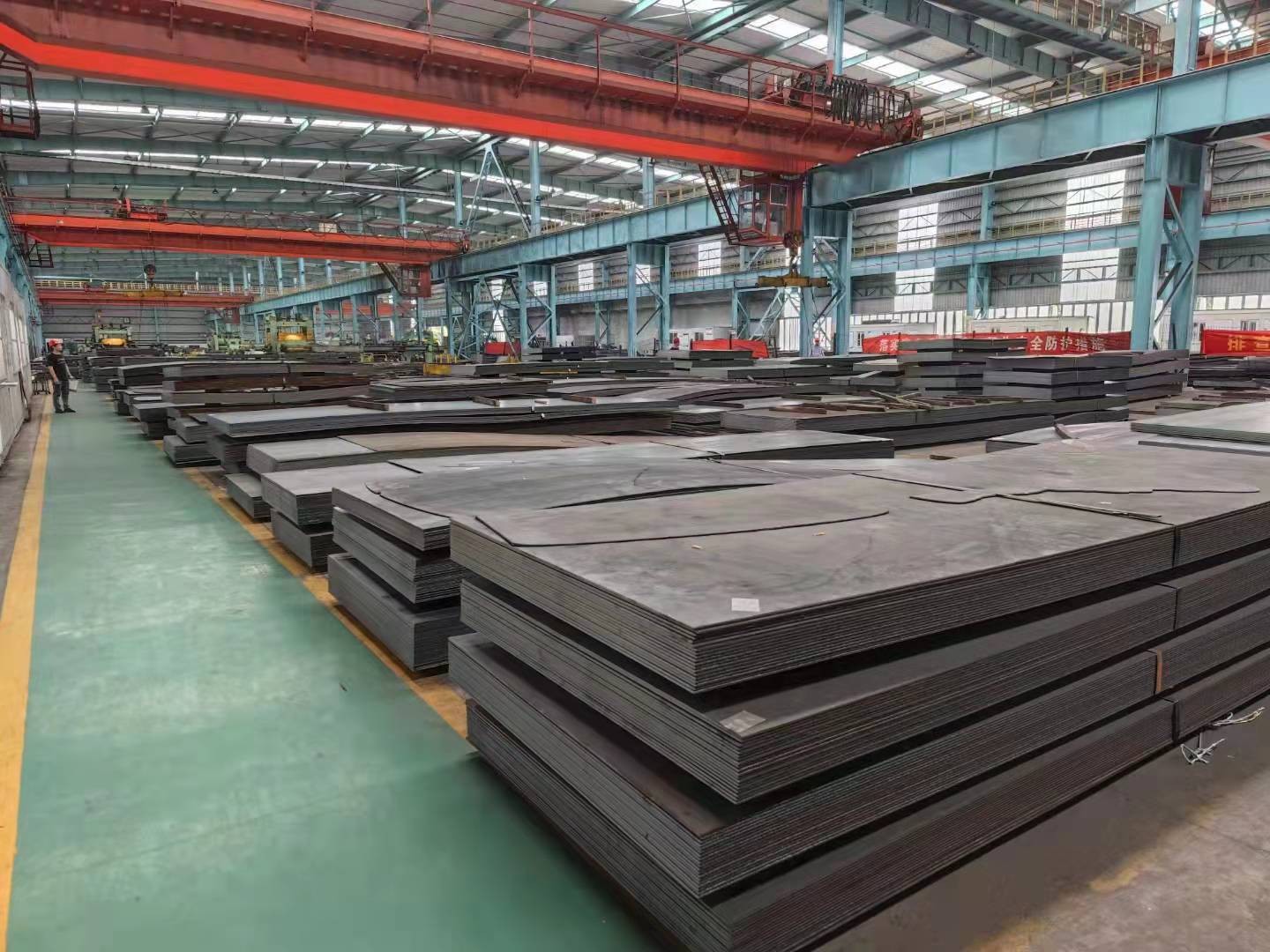
The titanium sheet industry is experiencing a transformative period of technological advancement that extends far beyond its traditional aerospace stronghold. While titanium's exceptional strength-to-weight ratio and corrosion resistance have long made it indispensable for aircraft and defense applications, recent breakthroughs in manufacturing processes, product diversification, and application development are opening new frontiers across the global economy. From record-breaking thin-gauge rolling achievements to sophisticated porous structures enabling next-generation medical implants and hydrogen fuel cells, titanium sheet technology stands at the threshold of unprecedented market expansion.
Manufacturing Breakthroughs: Pushing the Limits of Thinness and Precision
Perhaps the most significant recent advancement in titanium sheet production comes from China's Panzhihua Steel Vanadium, which achieved a historic milestone in February 2026. The company's 1450 hot rolling line successfully produced a 2.5mm × 1060mm thin-gauge titanium coil, marking the first time such thin specifications have been achieved in domestic hot continuous rolling. This breakthrough in titanium sheet manufacturing addresses one of the industry's most persistent challenges: producing consistently thin titanium sheets with uniform properties.
The achievement is particularly significant because titanium's inherent characteristics—high strength combined with low thermal conductivity—make thin-gauge rolling extraordinarily difficult. The steel-titanium co-line hot rolling process employed requires extreme precision in equipment calibration, temperature control, and rolling parameters. This success validates the effectiveness of recent technological upgrades and positions the producer to serve expanding markets in aerospace, marine engineering, and other high-end sectors requiring lightweight, corrosion-resistant materials.
Beyond conventional rolling, additive manufacturing continues to revolutionize titanium sheet production. Advanced 3D printing technologies now enable the creation of complex titanium sheet geometries that were previously impossible or prohibitively expensive to manufacture. Laser powder bed fusion and electron beam melting techniques allow for rapid prototyping and production of titanium components with optimized internal structures, reducing material waste and enabling design innovations that maximize performance while minimizing weight.
Emerging Product Categories: Porous Titanium and Clad Solutions
The titanium sheet market is increasingly diversifying beyond solid plates into specialized product categories engineered for specific applications. Powder sintered porous titanium plates represent one of the fastest-growing segments, with the global market projected to reach $136.44 million by 2032, growing at a CAGR of 5.25% from 2025 to 2032. These materials combine mechanical integrity with controlled permeability, enabling multifunctional performance in filtration systems, thermal management solutions, and biomedical implants.
The porous structure of these titanium sheets can be precisely engineered through advanced powder metallurgy techniques, allowing designers to optimize porosity levels, pore architecture, and surface characteristics for specific applications. In medical devices, porous titanium plates facilitate bone ingrowth and osseointegration for orthopedic and dental implants. In industrial applications, they serve as catalyst carriers, battery electrodes, and heat exchangers where surface area and fluid dynamics are critical.
Another significant trend is the growing adoption of titanium steel composite plates and titanium clad plates, which combine the corrosion resistance of titanium with the structural strength and cost-effectiveness of steel substrates. The titanium/stainless steel clad plate market reached $132.75 million in 2025 and is expected to grow at an impressive 6.46% CAGR through 2032. These engineered materials are increasingly specified for demanding applications in chemical processing, pressure vessels, marine infrastructure, and power generation equipment, where lifecycle performance considerations are displacing first-cost decision-making.
Application Expansion: From Aerospace to Emerging Frontiers
While aerospace remains the flagship application for high-end titanium alloys—consuming significant quantities of titanium alloy plate for airframes, engine components, and structural elements—the material's application landscape is rapidly diversifying. The global high-end titanium alloy market, valued at $3.5 billion in 2025, is projected to reach $6.9 billion by 2034, driven by expanding demand across multiple sectors.
Energy and Hydrogen Economy
One of the most exciting emerging applications involves titanium's role in enabling hydrogen-powered flight. Recent research from the University of Birmingham and Loughborough University demonstrates how ultrathin titanium flow distributors fabricated through laser micromachining can achieve record fuel cell power densities. These titanium-based components, featuring precisely engineered micropillar structures just 150 micrometers tall, enable superior gas distribution and water management in hydrogen fuel cells, achieving power densities that surpass European aerospace targets for 2030.
The researchers found that titanium's low density (4.5 g/cm³) and excellent corrosion resistance make it ideally suited for aerospace fuel cell applications, where weight penalties are severe. Their digitally optimized designs, incorporating graded porosity and non-homogeneous pillar spacing, achieved projected stack-level metrics exceeding 10 kW/L and 9 kW/kg—performance levels that could make hydrogen-powered regional aircraft commercially viable.
Medical and Healthcare Innovation
The medical sector continues to drive demand for specialized titanium sheet products, particularly for orthopedic implants, cardiovascular devices, and dental applications. The biocompatibility of titanium, combined with its mechanical properties and corrosion resistance, makes it the material of choice for load-bearing implants that must function reliably within the human body for decades
Advanced porous titanium plates are particularly valuable in this context, as they can be engineered to match the mechanical properties of natural bone while providing a scaffold for tissue integration. Recent innovations in surface treatment and nanocoatings are further enhancing titanium's biological performance, improving antibacterial properties and accelerating osseointegration.
Consumer Electronics and Automotive
The consumer electronics industry represents a significant growth frontier for titanium sheets, driven by demand for thinner, lighter, and more durable devices. Titanium's premium aesthetic, combined with its exceptional strength-to-weight ratio, makes it increasingly attractive for smartphone casings, laptop enclosures, and wearable devices. This trend toward premiumization in consumer electronics creates a high-value niche for thin-gauge titanium sheets with superior surface finish and dimensional accuracy.
In the automotive sector, high-performance and luxury vehicles are increasingly incorporating titanium components in exhaust systems, suspension components, and engine parts. While volume remains limited compared to aerospace applications, the automotive sector's pursuit of weight reduction and performance enhancement continues to create opportunities for titanium sheet suppliers.
Sustainability and Manufacturing Efficiency
Environmental considerations are increasingly shaping the future development of titanium sheet technology. The industry is focusing on reducing the environmental footprint of titanium production through improved recycling technologies and more energy-efficient manufacturing processes. Currently, significant titanium scrap is generated during manufacturing, and developing better recycling capabilities can reduce dependence on virgin titanium sponge production—an energy-intensive process with substantial environmental impact.
Additive manufacturing and near-net-shape forming technologies contribute to sustainability goals by minimizing material waste. Unlike traditional subtractive manufacturing methods that remove material to create finished parts, additive techniques build components layer by layer, using only the material required for the final geometry. This efficiency is particularly valuable for titanium, where material costs are high and the energy intensity of primary production is significant.
Market Dynamics and Trade Considerations
The titanium sheet market operates within a complex global trade environment. Recent tariff interventions and trade policy shifts have prompted manufacturers and buyers to reassess sourcing strategies and supply chain configurations. These dynamics have accelerated interest in domestic production capacity and nearshoring arrangements, particularly for certified applications in aerospace and medical devices where supply chain continuity is critical.
The Asia-Pacific region, particularly China, continues to expand its titanium sheet manufacturing capabilities, with significant investments in powder atomization, sintering capacity, and additive manufacturing infrastructure. North American and European markets maintain strong positions in certified, high-integrity applications, leveraging established quality systems and regulatory expertise to serve demanding aerospace and medical customers.
Challenges and Future Outlook
Despite the promising trajectory, the titanium sheet industry faces persistent challenges. The high cost of titanium raw materials, particularly titanium sponge, remains a barrier to broader adoption in cost-sensitive applications. Price volatility, influenced by geopolitical factors and supply chain disruptions, complicates long-term planning and investment decisions.
Manufacturing complexity continues to demand specialized expertise and capital-intensive equipment. Titanium's reactivity at high temperatures requires careful process control and often vacuum or inert atmosphere processing, adding to production costs. The stringent certification requirements for aerospace and medical applications create high barriers to entry and extend development timelines.
Looking forward, the integration of titanium sheet technology with other emerging technologies—including smart materials, nanotechnology, and advanced sensing—promises to create new capabilities and applications. Self-monitoring titanium structures with embedded sensors, antibacterial nanocoatings for medical devices, and optimized porous architectures for energy storage all represent active areas of research and development.
Conclusion
The titanium sheet industry is evolving rapidly, driven by manufacturing breakthroughs, product innovation, and expanding application frontiers. From record-thin hot-rolled coils in China to laser-micromachined flow distributors enabling hydrogen aviation in Europe, titanium sheet technology is demonstrating remarkable versatility and performance. As sustainability concerns, lightweighting imperatives, and the demands of emerging technologies continue to shape global markets, titanium sheets are positioned to play an increasingly important role across the industrial landscape.
Navigation
 How can the service life of titanium plates be extended under harsh working conditions17/04/2026
 Chaoyang accelerates its ¥1.2B small-particle sponge titanium investment, with 50kt capacity boosting aerospace.16/04/2026
 Deeply engaged in the manufacturing of titanium equipment, we safeguard the development of the industry with advanced equipment and practical cooperation15/04/2026
 A New Chapter in Titanium Alloy Applications: Titanium Combs from Aerospace to Hair Care13/04/2026


Send Us A Message