






Titanium Pipe Comprehensive Introduction
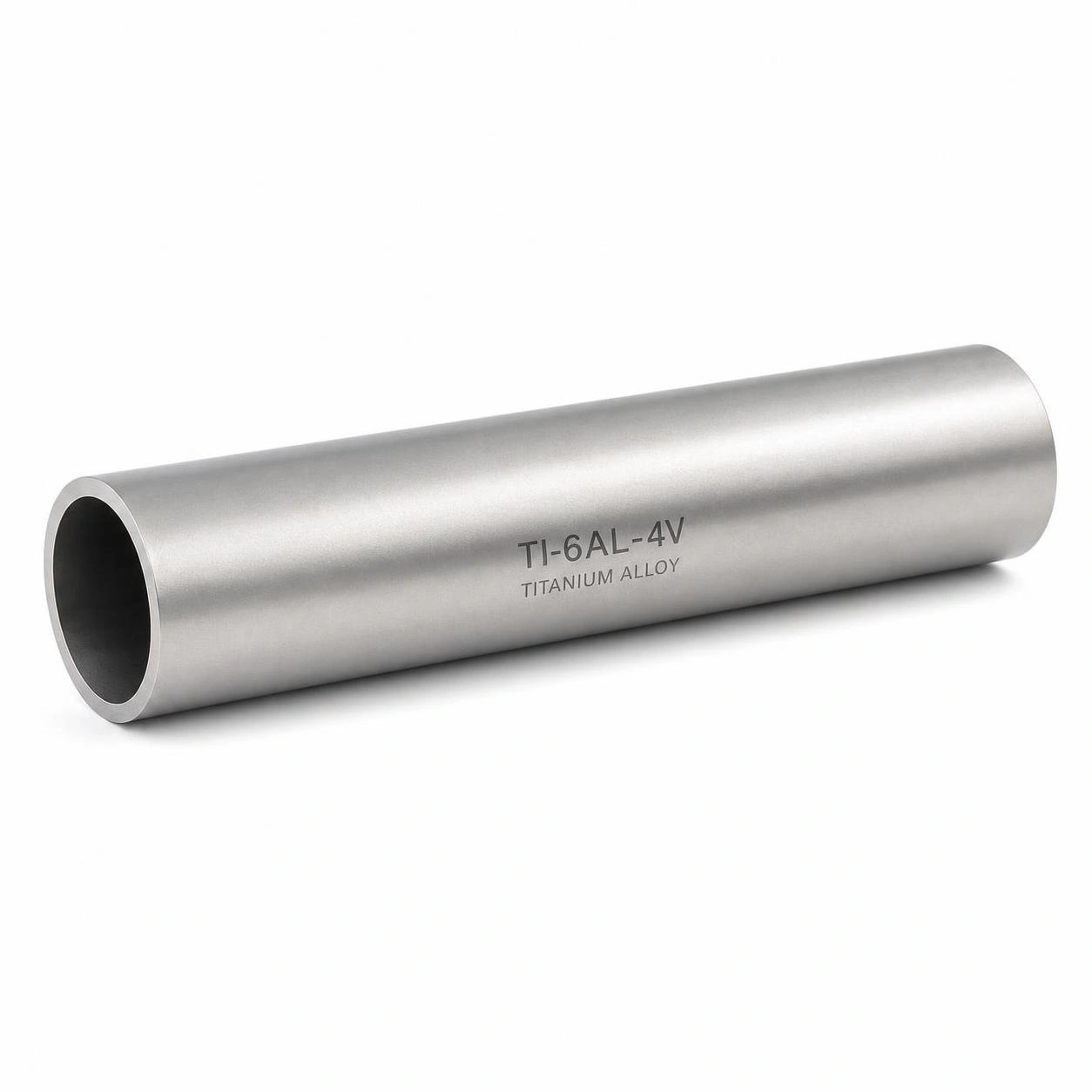
1. Overview of Titanium & Titanium Pipe
Titanium stands as a vital structural metal that saw large-scale development starting from the 1950s. Titanium alloys possess a comprehensive set of superior physical and chemical characteristics: low density, outstanding specific strength, exceptional corrosion resistance, low thermal conductivity, non-toxicity, non-magnetic properties, excellent weldability, premium biocompatibility and attractive surface decorative performance. Thanks to these unique merits, titanium pipes and titanium alloy products have gained extensive adoption across aviation, aerospace, chemical engineering, petroleum, electric power, medical equipment, construction, sports goods and numerous other industrial sectors.
Nations worldwide have long acknowledged the strategic value of titanium alloy materials. Extensive research, development and industrialization projects have been carried out globally, pushing titanium products into mature mass practical applications.
Few engineering materials can simultaneously deliver lightweight performance and powerful anti-corrosion capacity like titanium. Titanium features reliable heat resistance, stable performance under drastic temperature fluctuations, superior pressure resistance, and maintains stable service performance in saline, humid and organic chemical environments. Though titanium alloys are not the hardest structural metals available, they deliver unmatched comprehensive stability under mechanical loads and corrosive working media — making titanium pipes an irreplaceable component for harsh industrial working conditions.
Benefiting from extreme durability and inherent corrosion resistance, titanium pipes retain stable structural integrity and consistent working performance even when salt deposits, organic residues and contaminants accumulate on inner and outer tube walls during long-term service.
2. Main Application Fields of Titanium Pipe
Titanium welded pipes and seamless titanium pipes are widely deployed in the following industries:
Petrochemical engineering, heat exchangers, condensers, medical implant manufacturing, chemical processing, aerospace components, marine & submarine facilities, oil & gas exploitation, sports equipment, high-performance bicycle frames and related supporting industries.
3. Chemical Composition of Titanium Welded Tubes (Mass Fraction, %)
Compliant with mainstream international industrial standards, the chemical composition limits of common-grade welded titanium pipes are listed below:
Note: “Balance” means titanium accounts for the remaining mass fraction after deducting all listed elements and impurities. Residual elements refer to trace impurity metallic elements not specified in the table.
4. Mechanical Properties of Titanium Welded Tubes
Standard mechanical performance indicators (tensile strength, yield strength and elongation) for mainstream welded titanium pipe grades are specified as follows:
Navigation
 Core Mechanical Properties of Titanium Plates & Their Cross-Industry Application ValueJul 08, 2026
- Titanium Pipe Comprehensive IntroductionJul 07, 2026
 TC4 Titanium Alloy Forging Process: A Comparative Study of Three MethodsJun 25, 2026
 The main advantages of titanium welded pipes over other metal pipesApr 22, 2026

Send Us A Message