






EU's Critical Raw Materials Act Fuels Massive Localization of European Titanium Supply Chain; U.S. Department of Defense Invests in 3D Printing Contingency Capabilities
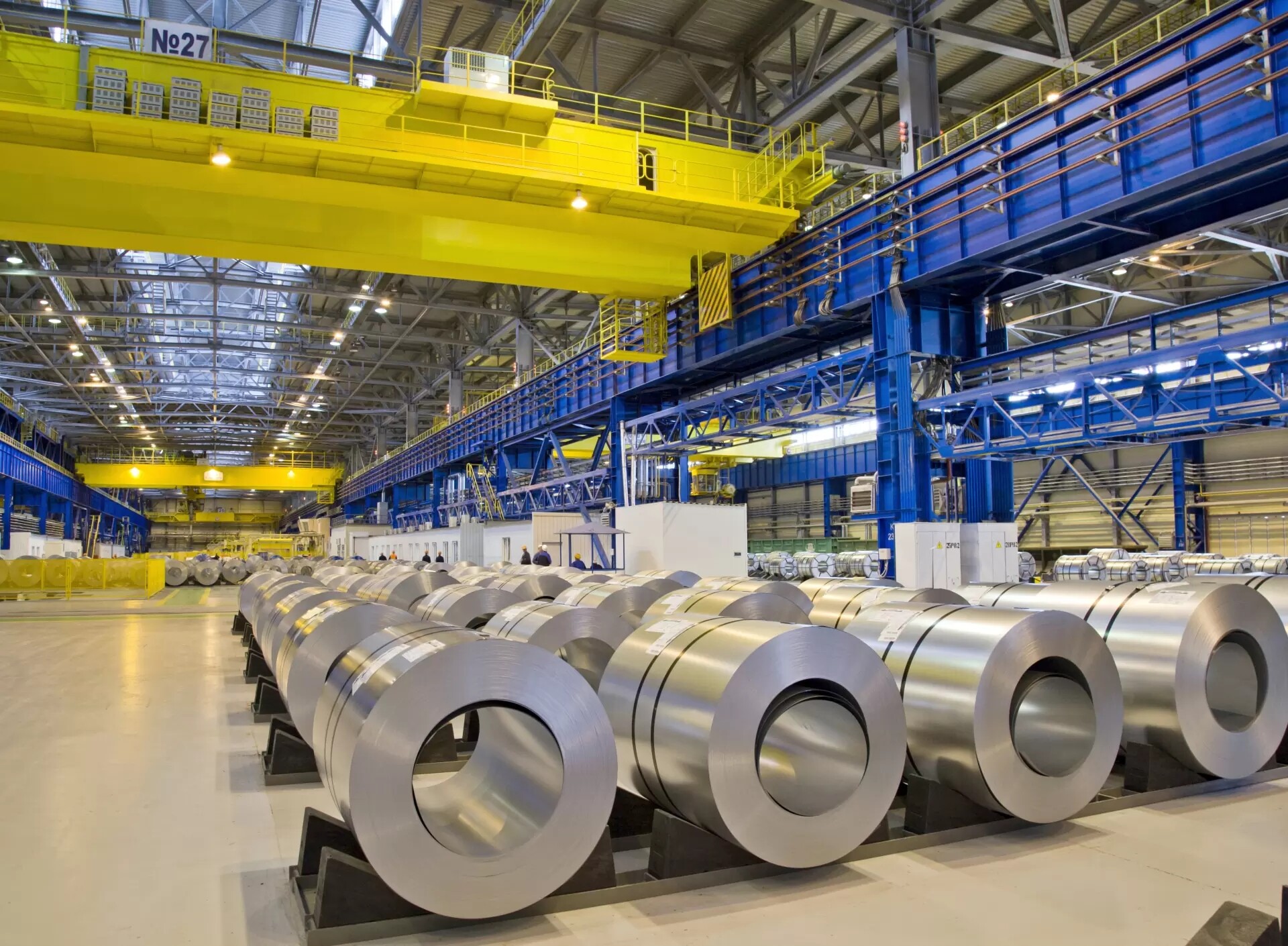
Berlin, Germany – Driven by geopolitical tensions and the imperative for supply chain resilience, the global titanium industry is undergoing a profound regional restructuring. The European Union's landmark Critical Raw Materials Act is catalyzing billions of euros in investment into localized titanium production and processing projects, aiming to reduce long-term dependency on single external suppliers.
European Localization Plan Gains Substantial Momentum
A multinational consortium led by the European Institute of Innovation and Technology's Raw Materials branch, named "European Titanium Valley," has broken ground in Poland. This project integrates the complete industrial chain—from ilmenite smelting to aerospace-grade forging production—and is projected to meet 15% of the EU's internal titanium demand by 2028.
"The goal is not complete self-sufficiency, but to build strategic redundancy," stated consortium spokesperson Eva Kowalski. "We are employing new direct reduction technology based on green hydrogen, which reduces carbon emissions by approximately 65% compared to traditional processes."
Concurrently, France's ArianeGroup announced the successful test production of a titanium alloy fuel tank for its next-generation Ariane 7 rocket engine. The raw material was sourced entirely from recycled aerospace components and European mines, marking a critical step toward EU autonomy for strategic aerospace components.
U.S. Department of Defense Bolsters 3D-Printed Contingency Supply Chain
In response, the U.S. Department of Defense, through its Defense Production Act Investment Fund, has awarded grants totaling $450 million to two American manufacturers of titanium additive manufacturing (3D printing) powder. This strategy aims to establish a "digital inventory"—the capability to rapidly convert digital design files into physical titanium alloy parts during emergencies.
"Traditional forging lines require lead times of up to 18 months, whereas a distributed 3D printing network can be deployed within weeks," explained Dr. Michael Ross, Senior Advisor at the Defense Logistics Agency. "We are investing in the 'capability' to ensure the continuity of critical equipment, not just stockpiling physical parts."
Deep-Sea Mining Emerges as a New Focus
As competition for land-based resources intensifies, deep-sea mining presents a new frontier for titanium supply. Canadian company Oceanic Metals has successfully extracted titanium at a commercial pilot scale from polymetallic nodules on the seabed off the coast of Japan. Environmental impact assessments indicate significantly lower ecological disturbance than initially predicted. The International Seabed Authority is expected to finalize its regulatory framework by the end of 2026, potentially unlocking a new resource frontier for the 2030s.
Industry Impact and Outlook
Analysts suggest these developments will lead to further regionalization of the global titanium market, forming two relatively independent supply systems: a "Euro-Atlantic" bloc and an "Asia-Pacific" bloc. While short-term costs may rise due to duplicated infrastructure, this trend is expected to enhance long-term industrial resilience for major economies.
"Security is now as important as cost," noted Sarah Chen, founder of Metals Strategy Advisors. "We are witnessing a fundamental shift from an era of 'cost-optimized' global supply chains to one of 'security-first' regionalized supply chains."
Navigation
 The main advantages of titanium welded pipes over other metal pipesApr 22 2026
 Titanium alloy: A hard-core material for the power industryApr 21 2026
 How can the service life of titanium plates be extended under harsh working conditionsApr 17 2026
 Chaoyang accelerates its ¥1.2B small-particle sponge titanium investment, with 50kt capacity boosting aerospace.Apr 16 2026
Send Us A Message