






The Titanium Coil & Sheet Market Transforms in 2026, Driven by Deep-Draw Applications and a Green Manufacturing Revolution
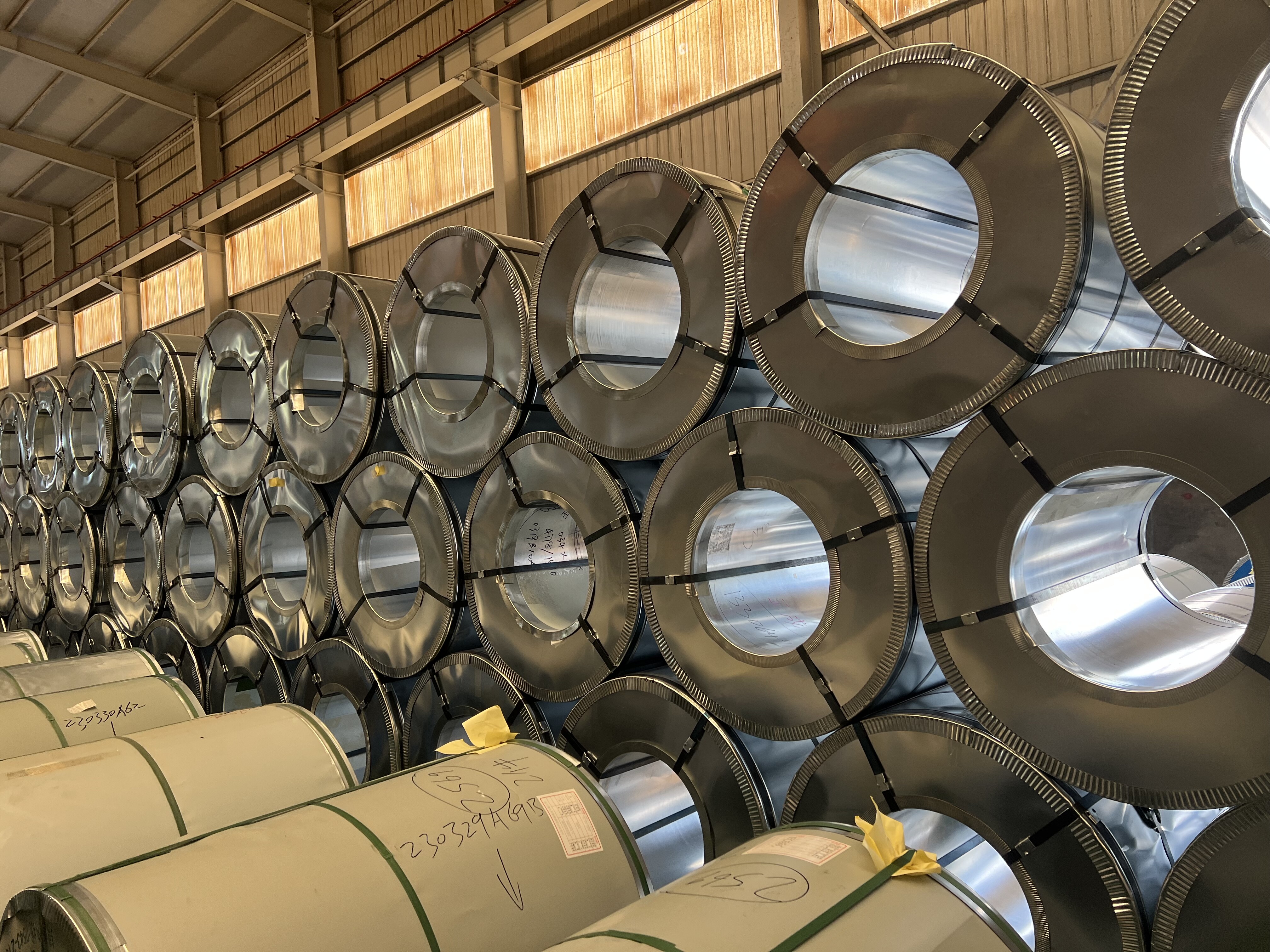
1. Expanding Horizons: The Push into Complex Forming
A key growth driver is the development of titanium specifically for deep-drawing, a stamping process that creates complex, seamless components. A breakthrough Chinese patent, published in January 2026, details a novel method to produce deep-drawing titanium coil with superior surface quality and formability. This is achieved by precisely controlling lubricant pressure during final rolling, ensuring an even, stable oil film that allows for more uniform deformation and heating. This innovation directly addresses long-standing challenges in forming titanium, making it a more viable and reliable material for intricate consumer and industrial parts.
2. Aerospace Demand Remains the Cornerstone
The aerospace sector continues to be the primary and most stable consumer of high-performance titanium flat-rolled products. This demand is institutionalized through long-term agreements, such as the recent extension and expansion of the supply pact between ATI Inc. and Boeing. Under this agreement, ATI supplies a portfolio of titanium materials, including plate, sheet, and coil, supporting Boeing's full suite of commercial aircraft. Such contracts validate ongoing investments in expanding production capacity for high-strength titanium alloys and sheet products, ensuring a steady market for premium-grade material.
3. The Green & Cost Revolution: Recycled Titanium Reshapes Economics
Perhaps the most transformative trend is the commercialization of low-carbon titanium production using 100% recycled scrap. A new proprietary process, such as the Hydrogen Assisted Metallothermic Reduction (HAMR) technology, bypasses the energy-intensive traditional Kroll method. This breakthrough targets a projected unit cost of approximately $29 per kilogram at full scale, a dramatic reduction that makes titanium competitive with specialty steels. With zero direct emissions and a circular feedstock model, this technology is poised to de-risk supply chains and unlock the use of titanium coil in high-volume markets like automotive lightweighting and consumer electronics.
4. Smart Manufacturing and Strategic Capacity Expansion
To meet diverse and growing demand, producers are leveraging smart technology and expanding strategically. In China, the industry is witnessing both a push for large-scale, integrated production—such as Anning's "60,000-ton energy-grade titanium (alloy) material full industry chain project" which includes titanium coil
—and a focus on intelligent, flexible manufacturing. A prime example is Liansteel's 300,000-ton hot-rolled titanium sheet project, which utilizes a domestically developed "asymmetric measurement and control system" to achieve precise shape control and stable production, enabling the same line to efficiently switch between rolling steel and titanium.
Titanium Coil & Sheet: Key Downstream Applications
The following table summarizes the primary sectors driving demand and the specific value proposition of titanium coil:
In summary, the titanium coil market in 2026 is defined by a powerful convergence: advanced processing techniques are enhancing material performance for new applications, while green manufacturing breakthroughs are tackling the historic cost barrier. As smart production systems come online and global capacity grows both in scale and sophistication, titanium is poised to transition from a niche, high-performance metal to a more accessible material for engineered solutions across the industrial spectrum.
If you are interested in a deeper analysis of the supply chain dynamics for specific grades like TA18 titanium alloy or the competitive landscape of major producers, I can provide further details.
Navigation
 How can the service life of titanium plates be extended under harsh working conditions17/04/2026
 Chaoyang accelerates its ¥1.2B small-particle sponge titanium investment, with 50kt capacity boosting aerospace.16/04/2026
 Deeply engaged in the manufacturing of titanium equipment, we safeguard the development of the industry with advanced equipment and practical cooperation15/04/2026
 A New Chapter in Titanium Alloy Applications: Titanium Combs from Aerospace to Hair Care13/04/2026


Send Us A Message