






Titanium alloy: A hard-core material for the power industry
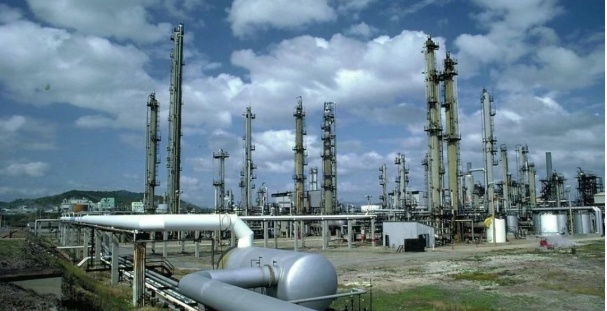
From precision components in military and aerospace industries to implantable devices in the medical field, titanium, with its core advantages of high strength, corrosion resistance and lightweight, has long become the "all-purpose metal" in high-end manufacturing. In the power industry, which is crucial to the national economy and people's livelihood, titanium alloys are key materials for breaking through equipment bottlenecks and enhancing operational efficiency, quietly driving technological upgrades in the industry.
Core component: Titanium alloy illuminates new performance of power equipment
Turbine motor blades: The key to reducing weight and improving efficiency
In thermal power generation and atomic power plants, the turbine blades are the core components for energy conversion and are constantly exposed to harsh environments of high temperature, high humidity and high-speed rotation. Traditional martensitic chromium stainless steel blades, due to their high density (approximately 7.85g/cm³), have to withstand huge centrifugal forces when rotating at high speeds, making the blade roots prone to fatigue fracture. Meanwhile, its corrosion resistance is insufficient, and the corroded areas are prone to form crack sources, significantly shortening the service life of the blades.
The application of titanium alloys provides a perfect solution to this difficult problem. Take the Ti-6Al-4V alloy as an example. Its density is only 4.51g/cm³. Under the same geometric dimensions, the weight of the blade can be reduced by 40%, the centrifugal force at the blade root is significantly reduced, and the fatigue life is increased by more than three times. In addition, the dense oxide film formed on the surface of titanium alloy can effectively resist the corrosion of salt-containing steam, enabling the blades to operate stably for a long time under complex working conditions, significantly extending the equipment maintenance cycle, and enhancing the continuous power supply capacity of power plants.
Condenser: The Corrosion-resistant "Energy Guardian"
The condenser is the core equipment of the circulating cooling system in power plants. It is responsible for condensing the steam discharged from the steam turbine into water to maintain the vacuum degree of the unit and directly affects the power generation efficiency. The condenser tubes are in long-term contact with cooling water, especially in the seawater cooling environment of coastal power plants, which is highly corrosive. Traditional copper tubes are prone to leakage due to corrosion, not only affecting the operation of the unit but also possibly causing environmental pollution.
Titanium alloy tubes, with their outstanding corrosion resistance, have become the ideal material choice for condensers. It can resist the erosion of corrosive media such as seawater, chlorides and sulfides. Its service life is 3 to 5 times that of copper pipes. There is no need to frequently replace the pipes, reducing the downtime for maintenance. According to statistics, the condenser of a large thermal power plant requires tens of tons of titanium tubes, and the consumption in atomic power plants is as high as hundreds of tons. This fully demonstrates the huge demand for titanium in the power industry.
Diverse scenarios: The power application landscape of titanium alloys
In addition to turbine blades and condensers, titanium alloys also play a significant role in other areas of the power industry:
Generator retaining ring: The generator retaining ring is subjected to the centrifugal force of high-speed rotation and also needs to resist the corrosion of media such as hydrogen. The high specific strength and corrosion resistance of titanium alloys enable them to replace traditional alloy steels, reduce the weight of retaining rings and enhance operational safety.
Chimney structure: In the heightening and renovation of industrial chimneys, titanium-steel composite plates have become ideal materials due to the corrosion resistance of titanium alloys and the high strength of steel. The stable protective film on the surface of titanium alloy can resist the erosion of industrial waste gas, keeping the chimney structurally intact for a long time and extending its service life.
Nuclear power equipment: In atomic power plants, titanium alloys are also used to make heat exchangers, pipes and other components. In the high-temperature, high-pressure and highly corrosive nuclear environment, they demonstrate excellent stability, ensuring the safe operation of nuclear power.
Broad prospects: Titanium alloys facilitate the upgrading of the power industry
With the development of China's power industry towards high efficiency, cleanliness and intelligence, the requirements for the reliability, durability and performance of equipment are constantly increasing, and the application demand for titanium alloys continues to grow. In recent years, China's titanium industry has developed rapidly, with the output of sponge titanium and titanium processed materials achieving leapfrog growth, providing solid material support for the power industry.
Titanium alloys, with their inherent advantages of light weight, corrosion resistance and high strength, can not only extend the service life of power equipment, reduce operation and maintenance costs, but also improve the efficiency of units and contribute to energy conservation and emission reduction. From thermal power generation to nuclear power, from conventional units to new energy equipment, titanium alloys are becoming the core driving force for the upgrading of the power industry. With the advancement of titanium processing technology and the gradual reduction of costs, titanium alloys will have broader application prospects in the power industry in the future, injecting strong impetus into energy security and economic development.
Navigation
 Titanium alloy: A hard-core material for the power industry21/04/2026
 How can the service life of titanium plates be extended under harsh working conditions17/04/2026
 Chaoyang accelerates its ¥1.2B small-particle sponge titanium investment, with 50kt capacity boosting aerospace.16/04/2026
 Deeply engaged in the manufacturing of titanium equipment, we safeguard the development of the industry with advanced equipment and practical cooperation15/04/2026
Send Us A Message